Aftercare...
Aftercare...
When it comes to long-lasting results, proper tattoo aftercare and healing methods are just as important as the tattoo process itself. If you’ve been searching for “best tattoo healing method,” “how to heal a tattoo fast,” or “tattoo aftercare tips,” understanding the different approaches can help you make the right decision for your skin and your lifestyle.
Every professional tattoo artist may have slightly different recommendations, but healing generally falls into three main categories: traditional healing, dry healing, and second skin healing.
Traditional Tattoo Healing (Wet Healing Method)
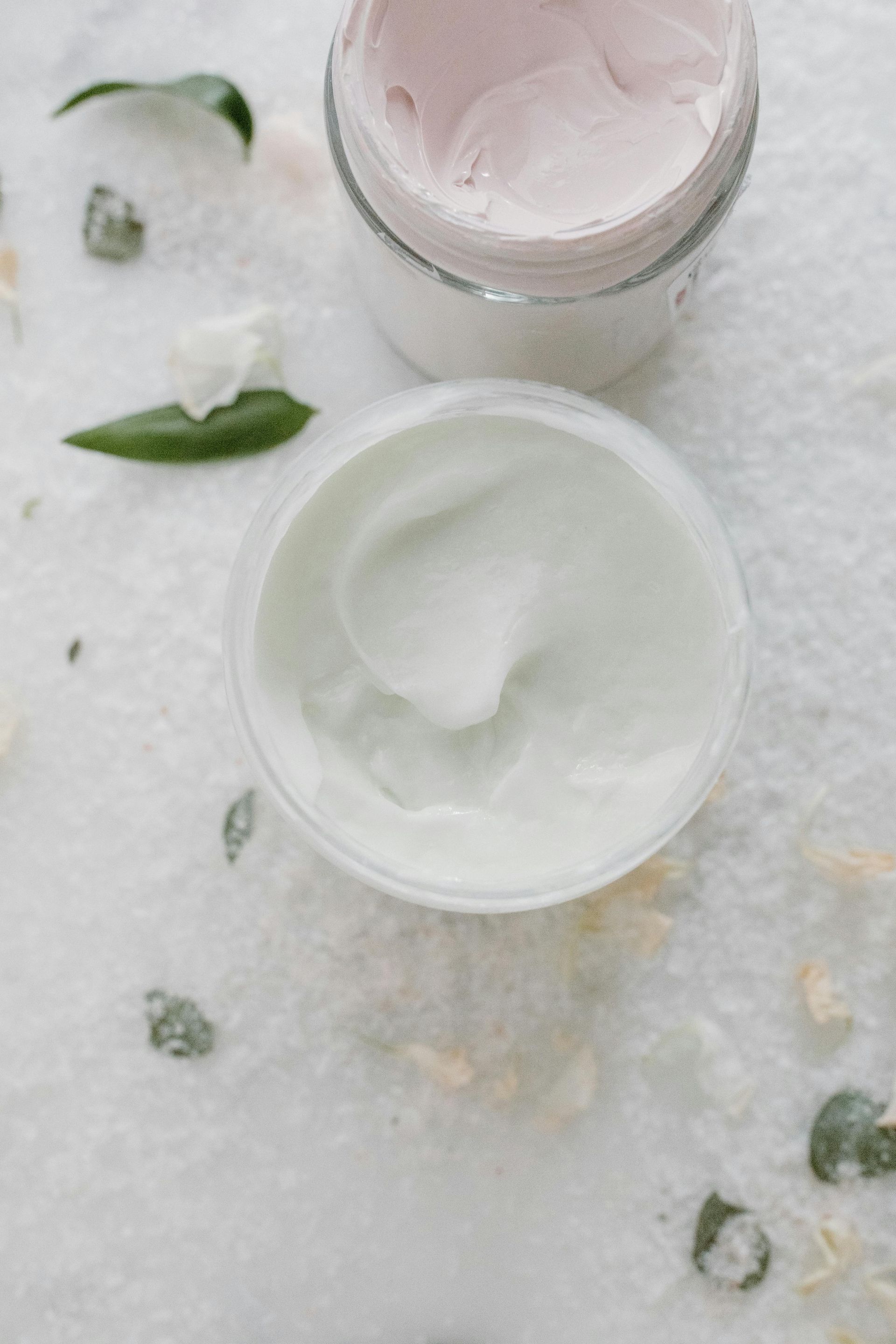
The traditional tattoo healing method involves cleaning your new tattoo with mild, fragrance-free soap and applying a thin layer of recommended aftercare ointment or tattoo balm. This process is repeated 2–3 times daily during the initial healing phase.
Pros:
Keeps the tattoo hydrated
Reduces heavy scabbing
Supports colour retention
Cons:
Over-moisturising can cause irritation
Requires consistent care and clean hands
This method works well for most tattoo styles, especially colour tattoos and larger pieces that need balanced moisture control.
Dry Healing Method
Dry healing is a more minimal approach. After the initial wrap is removed and the tattoo is gently cleaned, no ointment is applied — the tattoo is left to heal naturally.
Pros:
Lower risk of over-saturation
Simple routine
Cons:
Can feel tight and itchy
Slightly higher chance of heavier scabbing
Dry healing may suit smaller tattoos or individuals with sensitive skin, but it requires discipline to avoid picking or scratching during the peeling phase.
Second Skin Healing (Dermal Adhesive Bandage)
Second skin healing involves applying a medical-grade adhesive film over the tattoo for several days. This breathable barrier protects the tattoo from bacteria, friction, and external contamination.
Pros:
Reduced scabbing
Protection from clothing irritation
Lower infection risk when applied correctly
Cons:
Not suitable for everyone (adhesive sensitivity can occur)
Requires correct application
Second skin healing is popular for large-scale tattoos and detailed work where colour vibrancy and smooth healing are priorities.
Choosing the Best Tattoo Healing Method
There is no universal “best” tattoo healing method — only what works best for your skin type, tattoo size, placement, and lifestyle. Healing a tattoo properly means avoiding swimming pools, direct sun exposure, heavy sweating, and tight clothing during the early stages.
Regardless of the method, the fundamentals remain the same:
Keep your tattoo clean
Avoid over-moisturising
Do not pick or scratch
Follow your professional tattoo artist’s advice
A well-executed tattoo deserves a well-managed healing process. Proper tattoo aftercare protects line work, colour saturation, and long-term results.
Your tattoo is an investment — heal it properly, and it will look its best for years to come.